How to Organize a Completed Project
A systematic protocol for consolidating working files, archiving final assets, and establishing permanent team documentation after project completion.
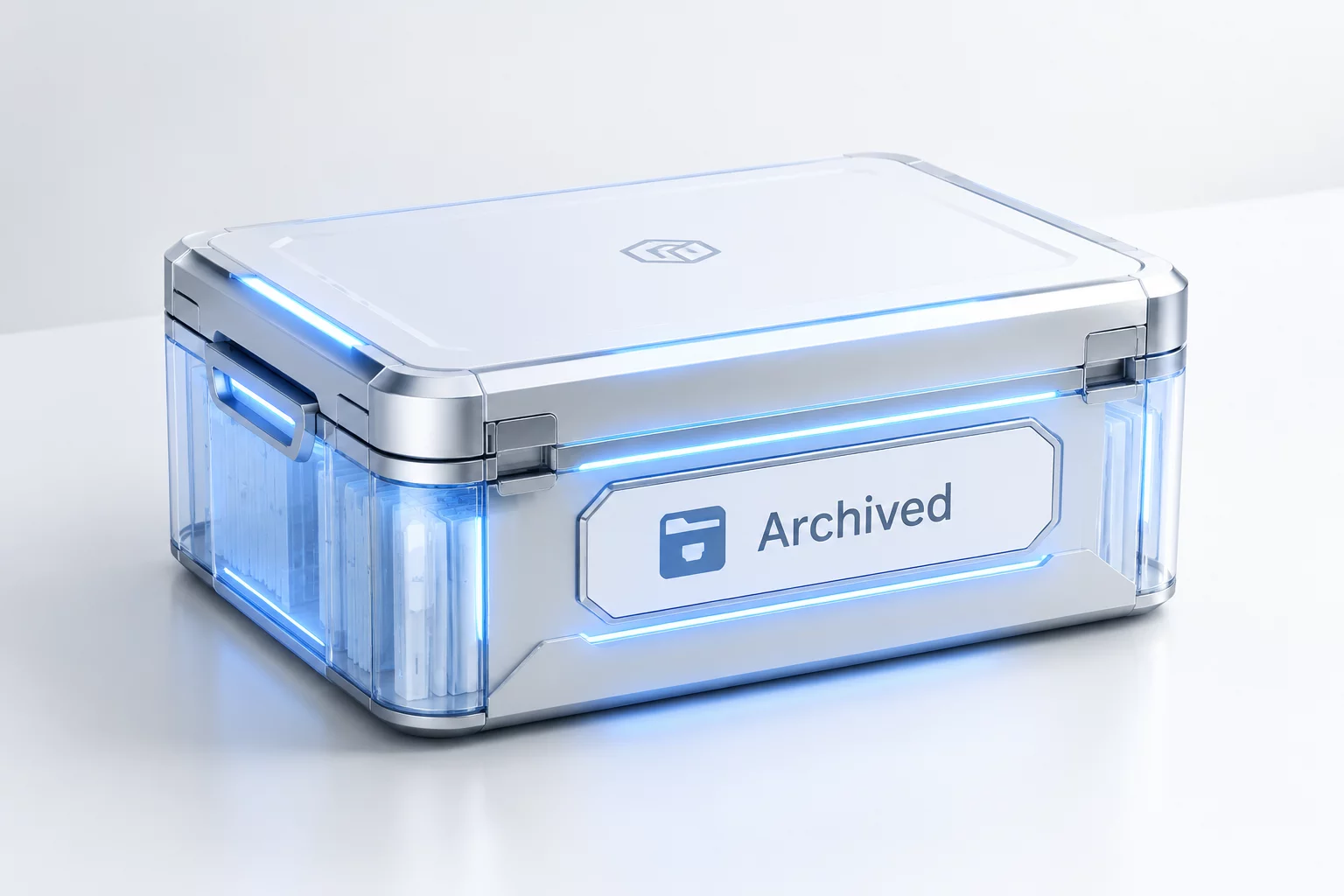
The Closeout Lifecycle: From Active Workspace to Long-Term Archive
When a complex deliverable reaches final client sign-off, team members naturally pivot toward their next engagement. However, leaving an active workspace uncurated creates digital debt that degrades overall workflow speed. Systematic project folder organization prevents active directories from devolving into unsearchable piles of duplicate exports, ephemeral scratchpads, and orphaned revisions.
Effective archiving demands disciplined team documentation. It requires separating durable deliverables from transient intermediate drafts, cataloging font and licensing assets, and freezing directory permissions so future teammates can retrieve master assets in seconds without ambiguity.
Essential Closeout and Archiving Directives
- Isolate all approved master deliverables into an immutable, read-only release folder.
- Purge heavy scratch cache files, temporary render sequences, and duplicate local drafts.
- Generate an executive README manifest detailing project timeline, key contributors, and final file hashes.
Standardized Post-Delivery Folder Hierarchy
Structure every completed project using this four-tier standardized taxonomy before transferring directories to cold cloud storage or organizational archives:
[ARCHIVE] 2026-PROJECT-NAME/
├── 00_MANIFEST_&_METRICS/
│   ├── README_handoff_summary.txt
│   ├── client_acceptance_signoff.pdf
│   └── deliverable_file_index.csv
├── 01_FINAL_DELIVERABLES/
│   ├── release_v1.0_master_package.zip
│   ├── vector_assets_master/
│   └── documentation_final.pdf
├── 02_SOURCE_ASSETS/
│   ├── design_files/
│   └── raw_assets_uncompiled/
└── 03_WORKING_LOGS/
    └── staging_notes_consolidated.md
Frequently Asked Questions About Folder Closeouts
How long should raw working files be retained after sign-off?
We recommend keeping intermediate scratch drafts in compressed staging folders for a 90-day retention period. Once that window closes, delete unlinked scratch data while preserving all source masters, release deliverables, and documentation logs permanently.
Who is responsible for executing the closeout protocol?
The designated project lead or lead technical architect performs the consolidation. They verify checksums, draft the summary manifest, update access privileges to read-only, and submit the archive verification ticket to operations.
Operational Discussion & Peer Reviews
VERIFIED LOGNo comments yet. Be the first to contribute operational feedback on this standard.
Contribute Workflow Feedback