When One Project Needs Several Teams
Architecting shared repositories, access boundaries, and interface protocols when engineering, design, legal, and operations converge on a single deliverable.
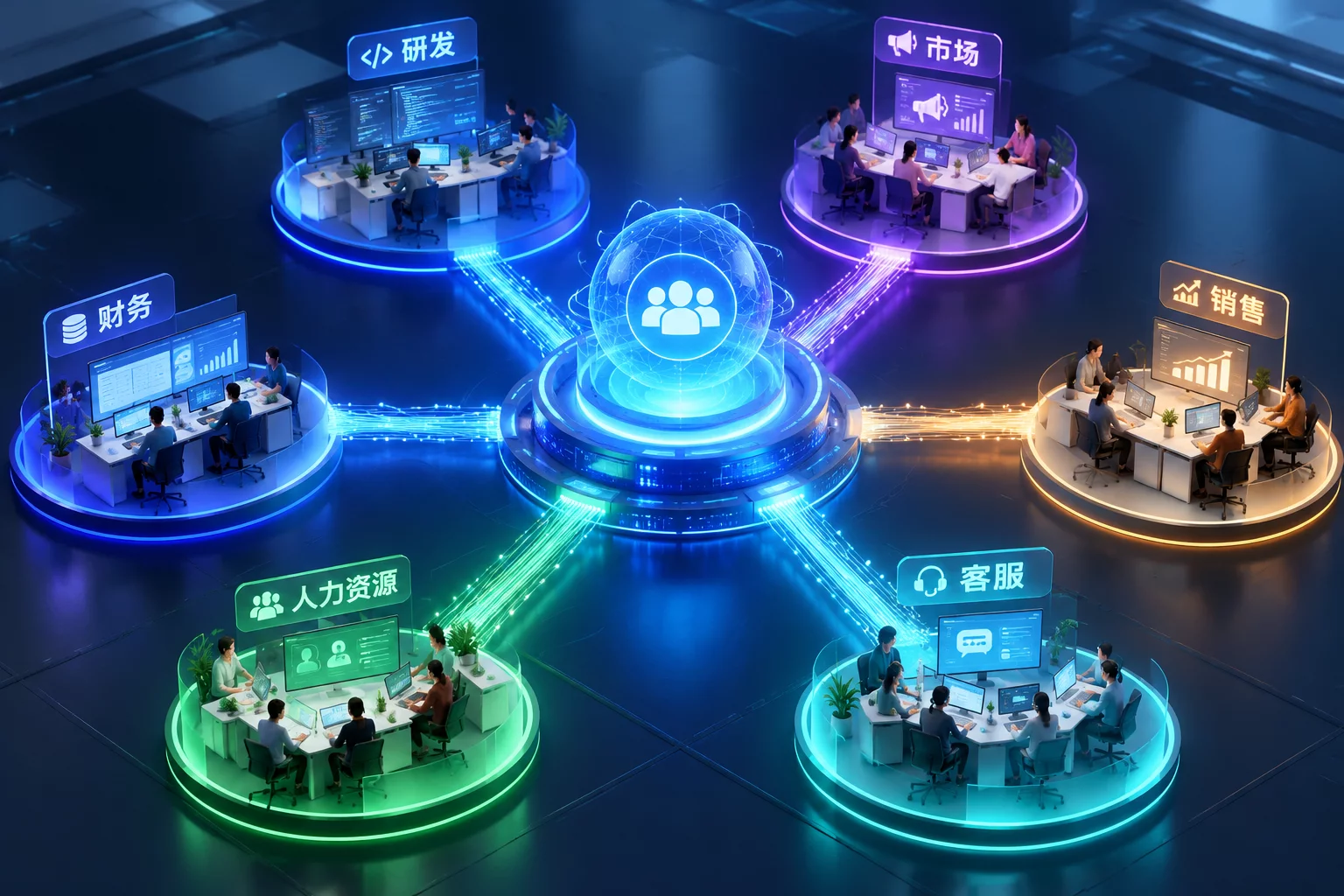
The Friction of Multi-Department Collaborations
When a cross-functional initiative brings together software developers, product marketers, brand designers, and compliance officers, the standard project folder organization breaks down quickly. Each discipline brings its own habitual hierarchy. Software engineers think in terms of build environments and asset repositories, creative specialists expect visual art boards organized by deliverable format, while operations teams seek timestamped audit trails. Without proactive structure, files become scattered across private drives, conflicting duplicates emerge, and critical handoff points turn into bottlenecks.
Establishing clear team documentation upfront solves this structural divergence. Instead of creating a flat free-for-all or an impenetrable labyrinth of permissions, high-performing organizations create federated workspaces. In this model, every participating department maintains its autonomous workspace sandbox, yet feeds polished milestones into mutually recognized handoff conduits. This balance protects working files from accidental overrides while guaranteeing immediate clarity for cross-team reviewers.
Three Core Laws for Multi-Team Workspaces
- Strict Boundary Separation: Every department owns a dedicated numbered workroom folder with write permissions restricted strictly to designated leads.
- Immutable Cross-Feed Hub: Shared deliverables must be published exclusively into a centralized handoff root using frozen version timestamps.
- Standardized Interface Metadata: Every team directory must contain a plain-text read-first index detailing current point-of-contact and branch status.
Federated Multi-Team Directory Hierarchy
The directory schema below isolates work-in-progress clutter while offering clean integration touchpoints. Notice how root numbers establish lifecycle order, separating governance and briefs from working files and public artifacts.
PROJECT-TITAN-2026/
├── 00_PROGRAM-CHARTER/
│   ├── Governance-Rules.md
│   ├── RACI-Responsibility-Matrix.xlsx
│   └── Team-Contact-Index.txt
├── 01_SHARED-INTERFACE/
│   ├── Design-Tokens/
│   ├── Shared-Assets/
│   └── Specifications/
├── 02_ENGINEERING-SQUAD/
│   ├── src/
│   ├── config/
│   └── build-artifacts/
├── 03_PRODUCT-DESIGN/
│   ├── figma-exports/
│   ├── typography-guides/
│   └── user-flows/
├── 04_MARKETING-OPS/
│   ├── campaign-copy/
│   ├── presentation-decks/
│   └── social-promos/
├── 05_LEGAL-COMPLIANCE/
│   ├── signed-authorizations/
│   └── terms-revisions/
└── 99_DELIVERABLE-STAGING/
    ├── 2026-Q3-Beta-Release/
    └── 2026-Q4-Final-Gold/
Frequently Asked Operational Questions
How do we avoid file lockouts when multiple teams edit related materials?
Teams must never work directly in the shared output directory. Production occurs within department sub-folders, and completed files are pushed as tagged iterations to the staging branch once internal review concludes.
Who takes responsibility for directory clean-up and obsolete version removal?
The overall program manager or technical lead acts as directory custodian, conducting monthly sweeps to archive stale drafts into designated sub-archives according to the master governance protocol.
Operational Discussion & Peer Reviews
VERIFIED LOGNo comments yet. Be the first to leave a comment or observation.
Contribute Workflow Feedback